805.243.0640 Menu

If you’re concerned about facial wrinkles and folds such as glabella lines (the 11’s), crow’s feet, and forehead lines, Dr. Tansavatdi offers Dysport® treatments at Tansavatdi Facial Plastic Surgery. This is an excellent solution to address signs of aging on the face. 
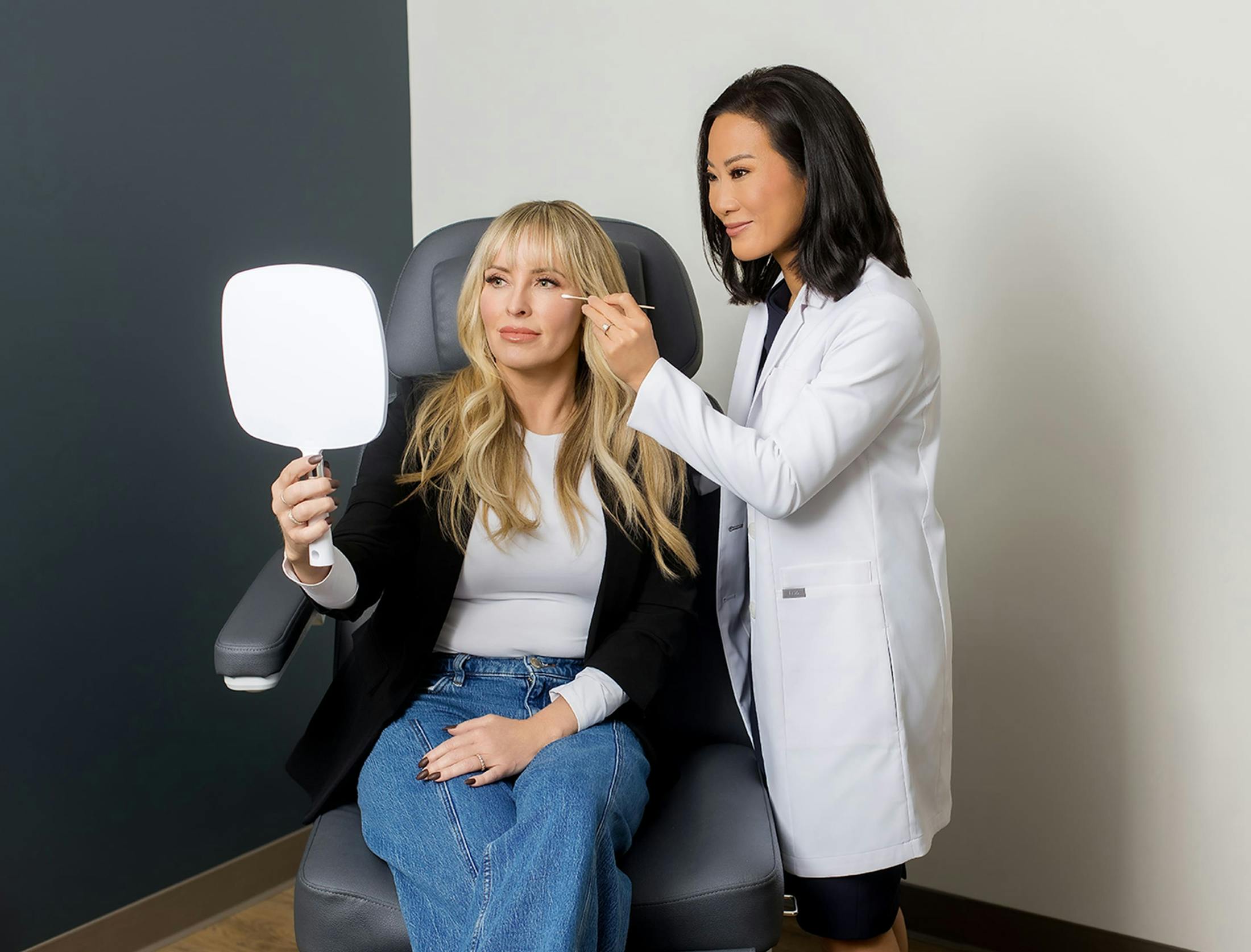
What is Dysport?

Just like Botox®, Dysport uses botulinum toxin type A to temporarily relax the muscles that cause wrinkles to form. It has been FDA approved since 2009 to minimize facial lines while still allowing patients to use their natural expressions. Dysport is ideal for treating:

  • Lines in the forehead
  • Crow’s feet
  • Wrinkles
  • Glabella lines between the eyes

What are Dysport treatments like?

As with Botox or dermal fillers, Dysport treatments are fairly quick and convenient, with minimal pain and very little downtime. Dysport is administered with injections, so when you arrive for your appointment, you may be given a numbing agent. 

Dr. Tansavatdi is extremely skilled and careful with her injections, and has a full understanding of the structure and anatomy of the human face to inject precisely the right areas. Most patients see results within 2 to 3 days of treatment, and results may last up to four months.


What’s the difference between Dysport and Botox?

Both Dysport and Botox are FDA approved, safe, and effective for all skin types, and they work the same way. The two formulas aren’t identical, but they’re so similar that comparing them is like comparing Coke to Pepsi. Here are the elements that make Dysport and Botox different.

Molecular weight

Dysport and Botox essentially have the same molecular weight—150 kilodaltons—but the protective proteins that surround them have varying weights, making them different. 

Formula and units

Dysport often requires more units than Botox because Dysport’s formula is more diluted than Botox’s formula. This means that Dysport can sometimes be a little more expensive for the same results.

Areas treated

Both Dysport and Botox are great for reducing facial wrinkles, crow’s feet, and forehead lines, but one has the advantage over the other in certain areas. Botox is better for smaller areas of concern, such as a stray lone wrinkle, as well as areas with thicker muscles (around the mouth and the glabella lines). This is because Botox’s diffusion rate is lower than Dysport’s. Dysport’s higher diffusion rate makes it better for larger areas, like the forehead, and areas with thinner muscles, such as crow’s feet.

Results and longevity

With Dysport, patients generally see results within 2 to 5 days, whereas with Botox, they see results within 5 to 7 days. Dysport and Botox both require multiple appointments in order to maintain results, and the longevity of both treatments is generally between 3 to 6 months. While this varies from patient to patient, this is the general consensus. 


If you’re unsure which is better for you—Dysport or Botox—Dr Tansavatdi will be happy to assess your aesthetic needs and goals to determine this for you during your consultation. With her years of experience with wrinkle relaxers and dermal fillers, she will provide you with expert advice and knowledge of the treatments. 

Tansavatdi Facial Plastic Surgery

Schedule A Consultation

Contact Us

Who is a good candidate for Dysport?

If you’re in the Westlake Village and Thousand Oaks area and are interested in Dysport treatments, you may be an ideal candidate. Good candidates are those who want to address the signs of aging on their face, but understand the reality of what the treatment can accomplish.

Candidates should be in general good health. Anyone with a neurological disorder should avoid Dysport, as should women who are nursing or pregnant.

Contact Dr. Kristina Tansavatdi

Thousand Oaks doctor Dr. Kristina Tansavatdi is a highly regarded facial plastic surgeon. Her deep knowledge of the structure of the face makes her an outstanding injector for Dysport, Botox, and dermal fillers. To schedule a consultation with Dr. Tansavatdi, please call (805) 715-4996 or contact us online.

Dr. Tansavatdi| Thousand Oaks plastic Surgeon

Dysport FAQs

What is Dysport and how does it work?

Dysport is a botulinum toxin type A injectable treatment that temporarily relaxes facial muscles to reduce the appearance of wrinkles. It is FDA-approved for treating wrinkles in areas like the forehead, crow’s feet, and glabella lines (the 11's between the eyebrows). It works similarly to Botox but with slight differences in formulation and usage.

How long do Dysport results last and when will I see improvements?

Most patients begin seeing results within 2 to 3 days of receiving a Dysport treatment. The effects typically last between 3 to 6 months, although this can vary from person to person.

How does Dysport differ from Botox?

Both Dysport and Botox are botulinum toxin treatments, but Dysport tends to have a higher diffusion rate, making it more effective for treating larger areas like the forehead. Botox, on the other hand, is more suited for smaller areas and areas with thicker muscles, such as the glabella lines. Dysport may require more units due to its more diluted formula.

Who is a good candidate for Dysport treatments?

Ideal candidates are those who are in general good health and want to address facial wrinkles and signs of aging. Dysport is not recommended for individuals with neurological disorders, or for pregnant or breastfeeding women.

What can I expect during a Dysport treatment?

Dysport treatments are quick, convenient, and generally involve minimal pain. A numbing agent may be applied before the injection. The procedure involves injecting Dysport into specific facial muscles, and the results are visible within a few days. Downtime is minimal, allowing most patients to return to normal activities right after the treatment.

All Rights Reserved. Designed & Developed by Studio3®

Privacy Policy

*The content/images on this website are not a guarantee of individual results. Individual results may vary. The information provided on this site is for general informational purposes only, and does not replace the need for a formal consultation with a plastic and reconstructive surgeon before undergoing a surgical procedure or skin care treatment.

Contact Us